Is A-CLASS Heating and Air based in Rancho Cordova?
Yes. A-CLASS Heating and Air is based in Rancho Cordova at 2317 Sierra Madre Ct Apt B and is family-owned and operated since 2016. The address is a dispatch base, not a retail shop or showroom.

Family-owned since 2016
Our Rancho Cordova home base
A-CLASS Heating and Air is a family-owned HVAC contractor based in Rancho Cordova, California, operating since 2016 and licensed and insured under CSLB License #1090886. Call (916) 342-9108 to discuss a heating, cooling, maintenance, or replacement concern.
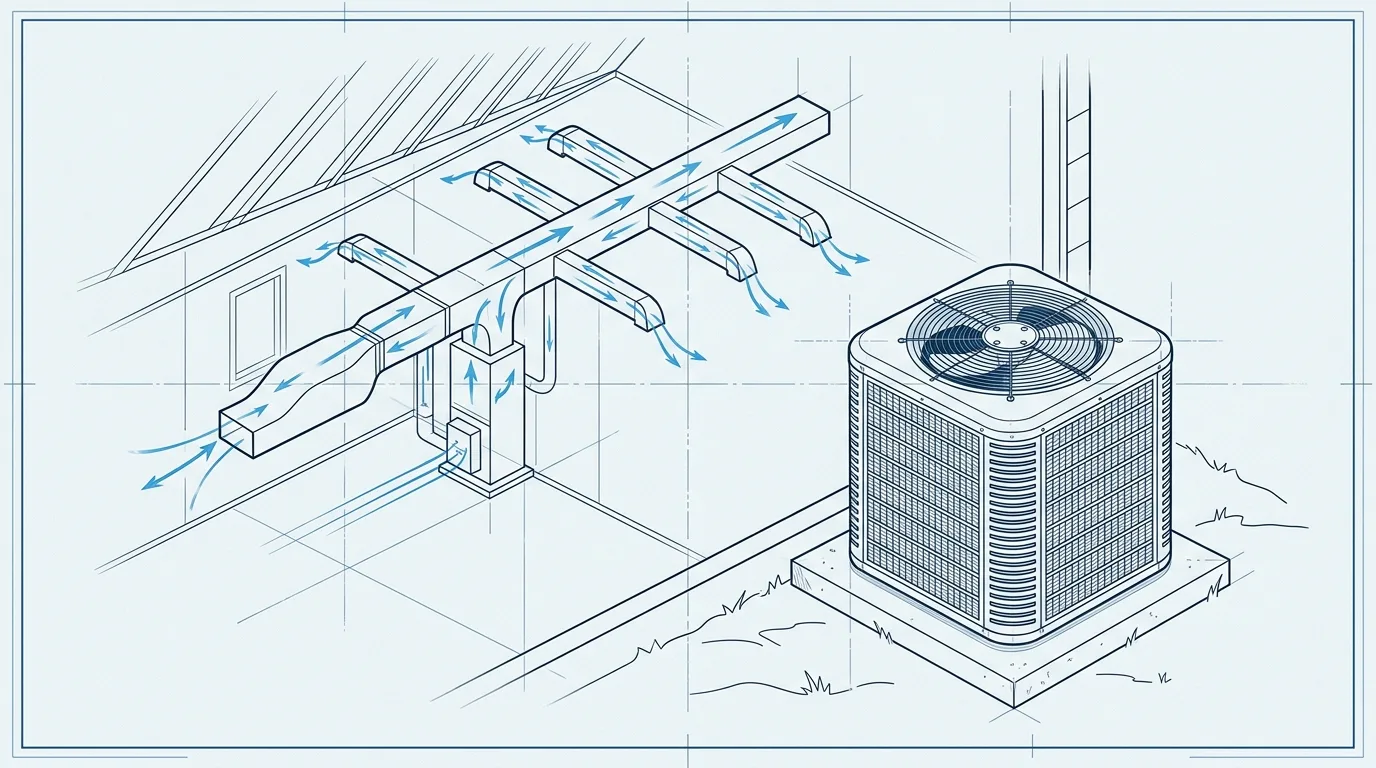
A-CLASS Heating and Air is a family-owned HVAC contractor based in Rancho Cordova, California, at 2317 Sierra Madre Ct Apt B. The company is headquartered in the city rather than listing it as a service area from somewhere else, and it has been operating there since 2016. It is licensed and insured under CSLB License #1090886, verifiable through the California Contractors State License Board. From that base it serves Rancho Cordova along with the rest of Sacramento County and parts of Placer and El Dorado counties. The work is HVAC only: heating, air conditioning, ductwork, ductless systems, thermostats, and light commercial HVAC, with no high-pressure sales. The address is a dispatch base, not a retail shop or showroom. Call (916) 342-9108 to discuss a Rancho Cordova heating or cooling concern.
HVAC Rancho Cordova CA searches should lead to a straightforward local answer: A-CLASS Heating and Air is based here, at 2317 Sierra Madre Ct Apt B, and serves homes and businesses from that dispatch base. Tell us what the system is doing, which rooms are affected, and whether the concern is heating, cooling, or both. Airflow is the movement of conditioned air through the return, equipment, ducts, and rooms. Restricted airflow can leave a room uncomfortable even when the outdoor unit appears to run. The bottom line: share the symptom first, then call (916) 342-9108 for a clear next step.
A-CLASS Heating and Air publishes this repair guidance: many straightforward HVAC repairs are framed around $150 to $750, depending on the issue, the parts, access to the equipment, and the condition of the system. That range is guidance, not a quote and not a final invoice amount. Exact repair pricing is reviewed after an on-site diagnosis and before any approved work begins, and a repair can cost more when there are multiple failures, hard-to-source parts, refrigerant work, electrical issues, or safety concerns. Replacement is a separate conversation: you can request a free estimate, and a final replacement scope and price may need an in-home review. Call (916) 342-9108 to describe the problem and arrange a diagnostic visit.
Rancho Cordova includes established housing from the 1960s through the 1980s alongside newer development in areas such as Anatolia and Sunridge. That range can change where ducts run, where equipment sits, and how rooms gain heat. In our experience, an older single-story home here often has an attic duct path or return location that deserves close attention. A newer two-story layout may show a warmer upstairs room after a long afternoon. The useful starting point is not a guess based on construction year. It is a review of the reported room pattern, filter condition, thermostat response, accessible ducts, and equipment operation. We found that one warm bedroom can stem from heat gain, a closed damper, a duct restriction, or a control issue — and each is a different repair conversation. Those are different paths, so diagnosis should come before a repair or replacement recommendation.
Our team found the same pattern across years of local calls since 2016: Rancho Cordova homes reflect years of additions, equipment replacements, and changing room use. A former dining room may now hold a home office. A garage conversion may add a room that receives different heat than the original floor plan. These changes can alter the comfort question without proving a system fault. The useful details are practical: when the room feels different, whether doors stay closed, and whether the change appeared after a remodel or a seasonal shift. Those observations help separate a room-use concern from a duct, control, or equipment question before a technician recommends work. Original ducts may serve spaces that later changed purpose. That history can explain why a comfort question deserves a careful, room-by-room review. It can also show where an older layout no longer matches daily use. Static pressure is the resistance air meets as it moves through an HVAC system, and it is one of the readings that makes that review concrete.
Rancho Cordova is in SMUD electric territory, so an equipment conversation can include the existing fuel source and electric setup without assuming that every home has the same configuration. SMUD's service-area information provides the utility context (SMUD, 2026). Summer heat can keep a cooling system running for long stretches, while cooler mornings can reveal a heating or control problem. In practice, it helps to note when the change began and whether it follows a hot afternoon, a smoky day, or a cold start. A heat pump is equipment that moves heat to cool or warm a home, rather than creating heat through combustion. Its controls and electrical needs deserve an address-specific review before anyone suggests a change. Bringing that detail up early keeps a utility question from blurring into a system diagnosis.
A cooling problem, a furnace that will not heat, and a recurring comfort issue need different conversations. Start with AC repair guidance when cooling has changed. A wider pattern involving heating, cooling, controls, or airflow may need whole-system HVAC repair. A useful approach separates the symptom from the proposed fix. That separation helps homeowners ask more useful questions. Consider the room pattern, the system's normal cycle, and any new sound before selecting a route. A clear description also helps plan access to attic, garage, or rooftop equipment. It can identify whether the concern affects one room or the whole home. No page can diagnose an address from a distance, but a focused route can make the first conversation clearer. The point of the distinction is simple: a warm room, by itself, is not proof of any one repair.
| Home situation | Typical concern | Routed next step |
|---|---|---|
| Established home with attic ducts | One room has weak cooling | Review cooling and airflow |
| Newer two-story layout | Upstairs comfort falls late in the day | Discuss whole-system diagnosis |
| Any home before a peak season | Filter, drain, or control concerns | Plan HVAC maintenance |
Routine maintenance cannot promise that a part will not fail, yet it can make ordinary restrictions easier to find before heavy seasonal use. The U.S. Department of Energy explains that a dirty or clogged filter can reduce airflow and increase run time and energy use; its HVAC filter guidance supports checking fit and condition (U.S. Department of Energy, 2026). Wildfire smoke can also raise valid indoor-air questions. The EPA advises people to keep an HVAC filter in good condition and replace it as recommended, while confirming that a higher-rated filter suits the system; see its wildfire and indoor-air guidance (EPA, 2026). That is general information, not a promise that one filter will solve every comfort concern. A clean filter is useful, but it does not explain every symptom.
A clear description can help set the right HVAC conversation before anyone visits the property. Note whether the system runs but does not change the temperature, starts and stops too often, makes a new sound, or affects only part of the home. Include the equipment type if you know it, but do not worry if you do not. A technician can identify that during diagnosis. Access details also matter in a practical way: attic equipment, a garage air handler, a gated community, or rooftop equipment can change the order of a visit. The same is true for a renter or property manager who needs to coordinate access. These details do not decide the repair. They simply help keep the request tied to the actual system and the home in front of the team.
Being based in Rancho Cordova means the company can say plainly that this is its own city, not a borrowed location name or a claimed local office. A-CLASS Heating and Air works from a residential dispatch base, so customers should not expect a shop or showroom visit. Free estimates are available for any service, including a system replacement. Learn more about the company on the A-CLASS Heating and Air about page, or contact the team about a Rancho Cordova concern. What would make the next step clearer: repair, maintenance, or a replacement conversation?
Reviewed by Serghei Poleanschii, Founder & Manager, A-CLASS Heating and Air
Yes. A-CLASS Heating and Air is based in Rancho Cordova at 2317 Sierra Madre Ct Apt B and is family-owned and operated since 2016. The address is a dispatch base, not a retail shop or showroom.
A-CLASS Heating and Air publishes this guidance: many straightforward HVAC repairs are framed around $150 to $750, depending on the issue, the parts, access to the equipment, and the condition of the system. That range is guidance, not a quote and not a final invoice amount. Exact pricing is reviewed after an on-site diagnosis and before any approved work begins. A system replacement is a separate conversation: you can request a free estimate, and a final replacement scope and price may need an in-home review of the home and equipment.
Start with the symptom, when it began, whether it affects heating or cooling, and which rooms feel different. Equipment age, filter condition, and attic, garage, or rooftop access can also help frame the right service conversation.
Yes. Uneven cooling can come from several causes, including return-air paths, duct restrictions, thermostat location, heat gain, or equipment operation. A neighborhood name or home age alone cannot identify the cause, so a diagnosis should review the full system.
Yes. Newer equipment still depends on clean filters, clear drains, working controls, and balanced airflow. Regular maintenance can identify ordinary wear or airflow concerns before long summer cooling runs make them more noticeable.
No. A-CLASS Heating and Air does not provide plumbing or duct-cleaning service, and it does not promise rebate eligibility or amounts. For HVAC repair, maintenance, duct repair, or replacement planning, the team can explain the available HVAC path.
Describe the symptom, system type, and access details. A clear request makes the next conversation more useful.
Call (916) 342-9108Professional HVAC contractor in Sacramento
Professional HVAC contractor in Folsom
Professional HVAC contractor in La Riviera
Professional HVAC contractor in Rosemont
Professional HVAC contractor in Mather