Plan maintenance and replacement without a sales script
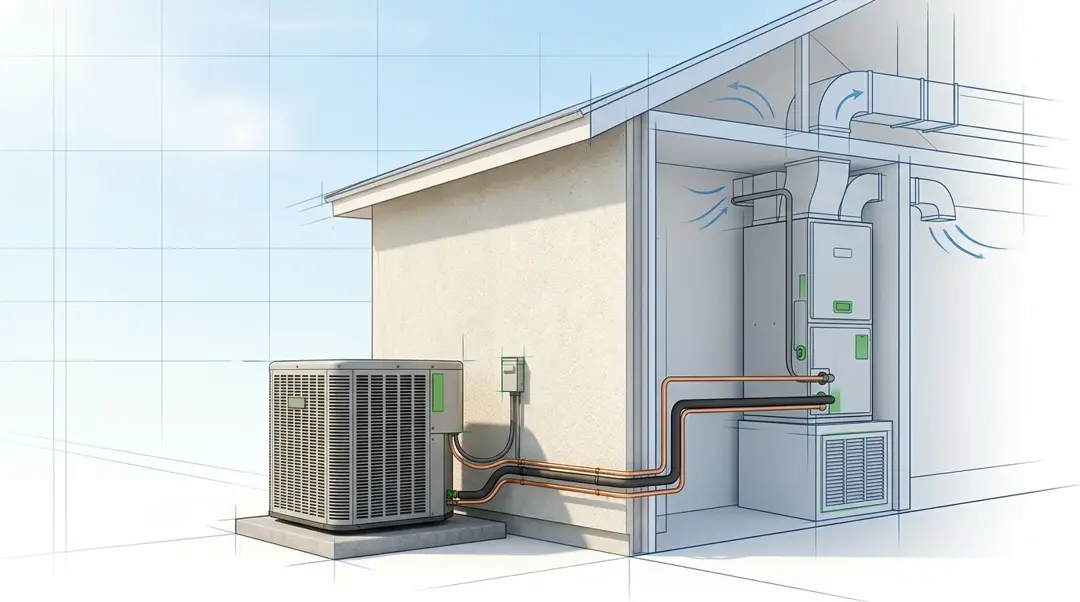
Regular care can make a system's condition easier to understand before peak weather puts it under strain. Preventive maintenance is scheduled service that checks operating condition and addresses routine wear before it becomes a larger concern. It does not guarantee that a part will not fail. It can identify a dirty filter, visible drain issues, loose accessible connections, or a change in how the equipment operates. Keep notes about repeat symptoms and prior repairs. Those details matter when weighing a repair against a system replacement. A-CLASS offers free estimates for any service. The choice should follow an on-site assessment, the home's layout, and the owner's goals, with no high-pressure sales tactics.
Warranty-era questions deserve the same calm approach. A builder or manufacturer may set its own terms, registration rules, and approval process. We can inspect the HVAC condition and explain what is observed, but we cannot promise a warranty decision. The bottom line is to keep paperwork available. Report the symptom clearly and confirm the next step with the party that issued the coverage. If an AC stops cooling or a heater stops producing heat, call for urgent HVAC support and share any safety concern. For planned work, a detailed symptom history helps put the conversation on sound footing.
Before a visit, start with safe, simple checks. Look at the thermostat screen. Note the set point and room temperature. Make sure the filter is in place and not packed with dust. Check for a tripped breaker, but do not keep resetting one that trips again. Look for water near the indoor unit. Listen for a new buzz, rattle, or scrape. Do not remove a panel or work near live wiring. These notes can save time during the first talk. They also help sort a whole-home issue from a problem in one room. A system may still need a full check after these steps. The point is to share clear facts, not to self-diagnose a repair.
A long hot day can make a small comfort gap stand out. Close shades on the sunny side when that fits the room. Keep supply and return grilles clear of rugs, boxes, and large furniture. Use the filter size the system is set up for. Change it when it is due or looks dirty. Track the time when the room starts to feel warm. Does it happen only in the late day? Does it change when doors are closed? Those plain details give a service visit real context. They do not replace a diagnosis. They can make the next step easier to explain. A clear record is useful whether the answer is a repair, duct work, maintenance, or a later system plan.
Good notes give the visit a clear start. Write down the day and time. Note which floor has the issue. Say if the fan runs. Say if the air feels cool, warm, or weak. Take a photo of any error code. Keep pets clear of the work area. Make room near the thermostat and indoor unit if it is safe to do so. Ask questions as the check goes on. A clear answer should name what was found and what may come next. You can then decide how to move forward with the facts in hand.