
๐Ÿ“žCall Now๐Ÿ’ฌText Now
๐Ÿ”ฅUrgent Serviceโ€ข(916) 342-9108

Fall heating readiness

Furnace Tune Up Sacramento Homeowners Can Understand

At a glance

A fall furnace tune-up in Sacramento checks the heating side of a system before colder nights arrive. A-CLASS Heating and Air reviews ignition, airflow, filters, and accessible safety items, then explains whether routine care or a repair visit fits the concern.

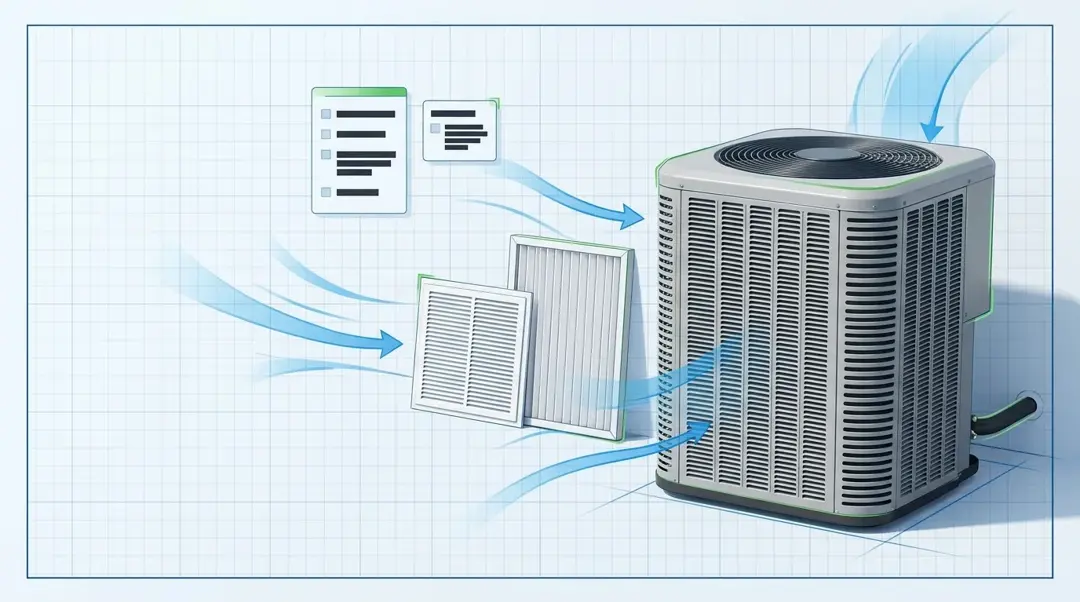
Technician checklist for fall heating system maintenance

Why fall is the right time for a furnace tune up in Sacramento

Sacramento homes often move from a long cooling season into chilly mornings with little warning. A furnace tune up Sacramento homeowners book in fall can happen before that first cold morning. A furnace can sit idle for months. Its first long run may arrive during tule fog or a sharp overnight temperature drop. From seasonal calls, we found that first-cold-snap concerns often start after a system passes a short test. It can then show an ignition, airflow, or cycling problem during a longer run. That pattern does not prove a fault. It does explain why a fall visit has value. A heating tune-up is preventive review of accessible heating components and operation before regular use, not a promise that every later repair can be avoided. This page stays with that fall heating work. For spring cooling preparation, use our spring cooling maintenance guidance; for a broader plan across both seasons, see year-round home HVAC care.

Fall timing also gives homeowners room to plan. A visit before regular heating begins can reveal a worn filter or a question about thermostat settings without the pressure of a cold house. It also makes scheduling easier than waiting for a sudden weather change. A technician can review normal startup and explain any next step. You can note unusual sounds, odors, or room-to-room comfort changes before the visit. Those details help frame the conversation. It creates a clearer baseline; that said, a tune-up cannot predict every failure. It can help separate routine care from a symptom that needs diagnosis. A clear appointment window also lets you replace an approved filter before winter. Keep the model number handy if you have it.

What we review during fall heating maintenance

A useful visit starts with the equipment that is actually in the house. At fall visits, our team found that homeowners may call every indoor unit a furnace. Some homes heat with a heat pump or have equipment with different access limits. Ignition is the sequence that safely starts heat in many fuel-burning furnaces, while a heat pump uses a different process to provide heat. We review thermostat response, filter condition, return airflow, accessible electrical connections, safety controls, and the heating sequence that applies. A dirty filter can restrict airflow and make a system work harder. The U.S. Department of Energy notes that dirty or clogged filters can reduce airflow and increase furnace run time on its HVAC filter guidance (U.S. Department of Energy, 2026). A homeowner should, as a result, expect clear notes about what was observed. Those notes should say whether a separate diagnosis deserves attention.

  • Controls: thermostat response, cycling, and accessible safety switches.
  • Airflow: filter condition, return path, blower area, and visible restrictions.
  • Heating operation: ignition or heating-mode checks suited to the equipment.
  • Visible condition: accessible wiring, venting, drainage, corrosion, and wear.

Heating safety deserves a direct conversation

Fuel-burning equipment needs particular care because combustion and venting are part of the heating job. Carbon monoxide is a colorless, odorless, poisonous gas produced when fuel burns, so a tune-up should never be described as a substitute for a working alarm or an emergency response plan. The Consumer Product Safety Commission advises annual professional inspection of fuel-burning heating systems and CO alarms on every level of a home and outside sleeping areas in its carbon monoxide safety guidance (CPSC, 2026). A fall visit also includes a look at accessible heat exchanger surfaces, since corrosion or cracking there is the classic path for combustion gases to reach household air. Not every surface is visible without disassembly, which is an honest limit of any tune-up โ€” and one more reason working CO alarms matter even after a clean inspection. In our experience, homeowners benefit from separating normal maintenance questions from an active safety concern. If a CO alarm sounds, leave for fresh air and call 911. Do not restart the appliance to investigate it. For a non-emergency concern, such as visible corrosion or a loose vent connection, call to discuss the appropriate next step.

Carbon monoxide context matters because the gas has no reliable smell or color. A homeowner cannot use a room odor as a safety test. Alarms provide an important warning when people are asleep or in another part of the home. Keep alarms powered and follow their instructions. A maintenance visit can review accessible equipment conditions. It cannot replace alarm placement, emergency planning, or a response to an active alarm. If anyone feels ill and a CO alarm sounds, leave first. Call 911 from fresh air. A planned question about a furnace odor can wait until there is no active safety concern. Do not silence or remove an alarm because the sound is inconvenient. Treat the alert as urgent until emergency responders say otherwise.

When maintenance is enough, and when a repair visit fits better

Maintenance and diagnosis answer different questions. A tune-up reviews seasonal readiness and may reveal concerns. A repair visit investigates a specific failure or symptom. We found that choosing the right starting point keeps the conversation clearer, especially after the first cold night of the season. A repair diagnosis is a focused investigation of a reported problem, not an add-on hidden inside routine maintenance. Consider the difference between a filter that is due for replacement and a furnace that starts, stops, and never warms the home. The first may belong in a fall visit. The second needs diagnostic attention. The table sets the boundary plainly and avoids duplicating detailed repair work elsewhere on this site.

When to choose a fall heating tune-up or a repair visit
Starting pointWhat the visit focuses onBest destination
Heating season is approaching and the system has no active faultSeasonal operation, airflow, filters, and accessible safety itemsThis fall heating tune-up page
The system will not heat, keeps shutting down, or makes a new concerning noiseA specific symptom and its causeHeating repair visit
Equipment condition makes replacement planning worth discussingSystem options and a free replacement estimate when appropriateHeating replacement planning

Clear scope matters more than a teaser offer

Search results for heating maintenance often lead with a number before they explain the work. That can make it hard to tell whether the visit includes a real heating review or a narrow promotional step. Our team found that a better question is what a technician will inspect. It also matters what the equipment needs. Ask whether an observed issue calls for separate repair work. We do not quote prices on this page or promise that a tune-up will solve every comfort problem. A-CLASS Heating and Air explains the scope before you decide. A fall visit should give you a practical picture of heating readiness. It should not pressure you to decide on the spot. Learn more about A-CLASS Heating and Air, a family-owned company serving the area since 2016, or contact our heating team with a question about your home.

Local homes need a fall plan that fits the system

Homes around Sacramento range from older houses with aging duct routes to newer construction in Elk Grove and nearby communities. Those differences affect access, filters, airflow, and the questions worth asking before winter. In our experience, dust from the dry season and wildfire-smoke periods can make filter condition more important when heat starts again. A filter is not a cure for every indoor-air concern. It is a basic part of airflow. The California State License Board provides public contractor information through its license lookup resources (CSLB, 2026). A-CLASS holds CSLB License #1090886 and is licensed and insured. Need help choosing a service category first? Browse the Sacramento HVAC service directory, then bring your questions to a conversation about the equipment in your home.

Reviewed by Serghei Poleanschii, Founder & Manager, A-CLASS Heating and Air

Furnace tune up Sacramento FAQs

When should I schedule a furnace tune up in Sacramento?

Schedule a furnace tune up before regular fall heating begins. That timing gives a technician a chance to review startup, airflow, and accessible safety items before a cold stretch puts the system to work.

What does a heating tune-up include?

A heating tune-up includes a review of thermostat response, filter condition, airflow, ignition or heating operation, accessible electrical connections, safety controls, and visible venting or drainage concerns. The exact work depends on the equipment in the home.

Does a tune-up fix a furnace that will not heat?

No. A tune-up is preventive care, while a furnace that will not heat, shuts down repeatedly, or produces a concerning smell needs a repair-focused diagnosis. Call (916) 342-9108 to discuss current availability and the right service route.

How much does furnace maintenance cost in Sacramento?

The cost depends on the equipment, access, condition, and whether the visit reveals a separate repair need. A-CLASS does not publish teaser prices; contact us to discuss your system and what a visit involves before you schedule.

Do heat pumps need fall maintenance too?

Yes. Heat pumps need heating-mode checks before winter, but their maintenance differs from a fuel-burning furnace. A technician should match the visit to the equipment rather than use one generic furnace checklist.

Is a furnace tune-up the same as year-round HVAC maintenance?

No. This service focuses on fall heating readiness. Year-round HVAC maintenance covers broader seasonal planning for heating and cooling equipment, while spring cooling care belongs on the separate air-conditioning maintenance page.

Prepare for colder Sacramento nights

Ask about a fall heating visit and get clear, equipment-specific next steps.