
Furnace Short-Cycling: Causes and How to Fix It
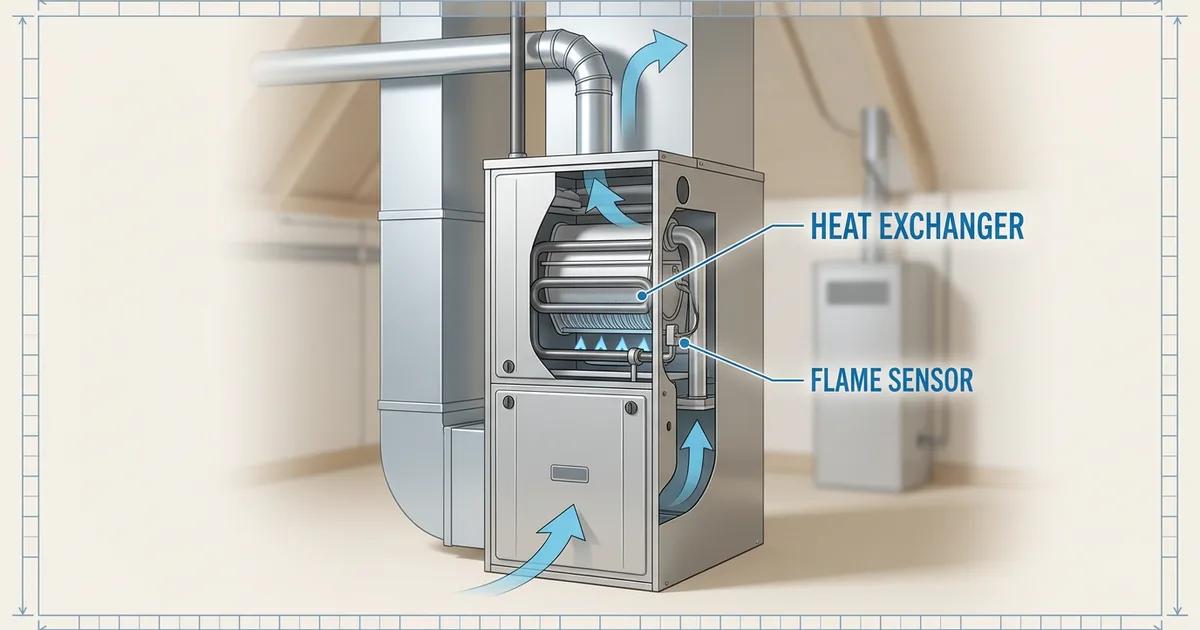
Your furnace is supposed to run in long, steady cycles—typically 10 to 15 minutes at a stretch. Short cycling is when it fires up, runs for a few minutes (sometimes less), then shuts off before your home reaches the set temperature. Then it starts again. Then shuts off again. The pattern is frustrating to live with, and it is hard on your equipment.
The good news: most cases of furnace short cycling trace back to one of six causes. Some you can fix yourself in minutes. Others need a licensed technician. This guide covers all six, along with a quick-reference table so you can narrow down the problem before you start troubleshooting.
Key Takeaways
- A dirty air filter is the leading cause of furnace short cycling—replace it before anything else.
- Short cycling puts heavy wear on your furnace because startup draws the most power and stress of any part of the heating cycle.
- An oversized furnace can waste up to 30 percent more energy than a correctly sized unit, per U.S. Department of Energy guidance.
- Flame sensor issues cause the burner to light and shut off within 3 to 5 seconds—a specific symptom worth knowing.
- A cracked heat exchanger caused by repeated overheating can allow carbon monoxide into living space; CO detector alarms near the furnace always warrant immediate professional attention.
Short Cycling at a Glance: Cause, Symptom, and What to Do
| Cause | What You Notice | DIY or Pro? |
|---|---|---|
| Clogged air filter | Filter looks gray; airflow feels weak at vents | DIY — replace filter immediately |
| Overheating / limit switch | Furnace runs 2–5 min then shuts off; may reset later | DIY filter/vent check first; Pro if switch is faulty |
| Oversized furnace | Heats fast but rooms stay uneven; problem since install | Pro — Manual J load calculation and replacement |
| Thermostat location or fault | Readings don't match room feel; batteries dead | DIY batteries/location check; Pro for wiring |
| Dirty flame sensor | Burner lights then dies within 3–5 seconds | DIY cleaning with fine emery cloth; Pro if continues |
| Blocked flue or exhaust | Furnace starts then faults; possible CO risk | Pro only — shut down if CO alarm sounds |
Does a Clogged Filter Really Cause Short Cycling?
A clogged air filter is responsible for the majority of airflow-related short cycling cases. The mechanism is straightforward: your filter sits upstream of the heat exchanger, and when it packs with dust, the blower can't move enough air across the exchanger surface. Heat builds up rapidly. The high-limit switch—a safety device designed to prevent fires and heat exchanger damage—cuts the burner before it overheats.
The furnace then cools down, restarts, clogs again, trips again. That loop is short cycling caused by airflow restriction.
Pull your filter out and hold it up to light. If you can't see light passing through, replace it. Standard 1-inch filters should be swapped every 30 to 90 days, depending on pets, dust, and whether Sacramento's wildfire smoke season is hitting your area hard. In our experience servicing Sacramento homes since 2016, homeowners are surprised how fast filters load up during the heating season—especially in homes with dogs or near agricultural areas east of town.
One important note on filter selection: a filter with too high a MERV rating can restrict airflow just as badly as a dirty one. MERV 8 to 11 is appropriate for most Sacramento homes. MERV 13 and higher should only be used in systems specifically designed for the added static pressure.
After replacing the filter, give the furnace 20 to 30 minutes to cool and reset before assuming the problem is something else.
What Does the Limit Switch Actually Do?
The high-limit switch is a thermal safety device mounted inside the furnace cabinet near the heat exchanger. In 2025, a furnace running in short cycles will trip this switch over and over—and repeated tripping wears the switch out. According to Trane's technical documentation on gas furnace troubleshooting, a faulty limit switch can signal a shutdown even when the furnace temperature is within safe range, causing repeated short cycling that looks just like an airflow problem.
Here's the distinction worth knowing: if you replace the filter, confirm all vents are open, and the furnace still short cycles after a few runs, the limit switch itself may have failed from repeated tripping. At that point, the filter was the original cause, but the switch is now the active problem.
A technician can test the switch with a multimeter and replace it in under an hour. Parts typically cost $25 to $75. Do not bypass the limit switch to keep the furnace running—it exists to prevent heat exchanger damage and fire.
Signs the limit switch (not the filter) is the real problem:
- Furnace short cycles even immediately after filter replacement
- The furnace sometimes runs a full cycle, then short cycles the next time
- Furnace trips, sits for 30 minutes, then runs again—consistently
Can an Oversized Furnace Cause Short Cycling?
An oversized furnace is one of the most common causes of short cycling—and the hardest to fix, because it requires replacing equipment. In 2023, Fire & Ice Heating & Cooling (citing U.S. Department of Energy data) reported that approximately half of all AC units and furnaces installed in American homes are incorrectly sized, with about one-fourth of systems being oversized. The DOE estimates improperly sized HVAC systems waste up to 30 percent more energy per year compared to correctly sized alternatives (U.S. Department of Energy, Energy Saver, updated 2023).
When a furnace is too large for the home, it produces more heat than the space needs. The thermostat hits its set point in a few minutes, the burner shuts off, the home cools quickly, and the cycle starts again. This is still short cycling—just without a safety trip. The furnace is doing what it's designed to do, but the design is wrong for the space.
The tell is timing: an oversized furnace often runs 3 to 6 minute cycles when 10 to 15 minutes is normal. And the problem is present from day one. If your furnace has short-cycled since it was installed (or since a replacement was put in), oversizing is the most likely explanation.
ENERGY STAR notes that oversized furnaces can operate 15 to 20 percent below their stated efficiency rating because startup draws the highest energy load of any part of the heating cycle—and a short-cycling system restarts far more often than a properly sized one (ENERGY STAR, Furnaces, 2024).
The only real fix is replacement with a correctly sized unit. A licensed HVAC contractor must perform an ACCA Manual J load calculation before selecting new equipment. Manual J accounts for your home's square footage, insulation levels, window area, ceiling height, and local climate data—not just the old unit's nameplate. The ACCA and the U.S. Department of Energy both require Manual J as the basis for sizing decisions (ACCA, Manual J Residential Load Calculation, 8th edition).
Have a look at our complete guide to common furnace problems if you're seeing other symptoms alongside short cycling—they often travel together.
Could the Thermostat Be Causing Short Cycling?
Thermostat problems cause short cycling less often than filter issues, but they're worth ruling out because the fix can be free. According to Carrier's residential HVAC troubleshooting guidance, the three most common thermostat-related causes of short cycling are: dying batteries, poor placement near heat sources, and faulty wiring.
Battery check: If your thermostat display is dim or flickering, swap the batteries before doing anything else.
Placement problems are common in older Sacramento homes. A thermostat mounted:
- On a wall that gets direct afternoon sun through a west-facing window
- In a hallway above an oven or near a laundry room
- Close to a supply vent that blasts warm air directly onto the sensor
...will read temperatures higher than the actual room. The furnace satisfies the thermostat quickly, shuts off, the room cools, the thermostat calls for heat again. Short cycling driven by inaccurate temperature sensing.
Wiring faults are a job for a technician. Loose connections in the thermostat wiring can cause the furnace to cycle erratically. If you've checked batteries and location and the problem persists, a pro can test the wiring and the thermostat itself in a few minutes with the right tools.
Smart thermostat upgrades (Nest, Ecobee) include diagnostic features that log cycle data—useful for identifying short cycling patterns, including whether the cycles correlate with sun exposure at certain times of day.
What Does a Dirty Flame Sensor Do?
A dirty flame sensor causes a very specific short cycling pattern: the burner ignites, runs for 3 to 5 seconds, then shuts off completely. The furnace may try two or three times before locking out. This is different from other causes—the flame actually lights, which rules out ignition problems. The burner dies because the sensor can't confirm the flame is present.
The flame sensor is a small metal rod that sits in the burner flame. Carbon deposits from combustion coat the rod over time, insulating it. According to HVAC service guides from multiple manufacturers, a dirty sensor is the leading cause of furnace lockout from flame-proving failure. The sensor can't pass enough microamp current through the buildup to signal the control board, so the board cuts the gas valve as a safety measure.
Cleaning the flame sensor is a DIY job for mechanically comfortable homeowners:
- Turn off the furnace power and gas supply at the shutoff.
- Locate the flame sensor—it's a single metal rod with a porcelain base, positioned so it extends into the burner flame path.
- Remove the single mounting screw and disconnect the wire connector.
- Gently rub the metal rod with fine emery cloth (not sandpaper—silica from sandpaper melts onto the rod and ruins it permanently).
- Wipe residue with a dry cloth, reinstall, reconnect, and test.
Most flame sensors cost $15 to $40 as a replacement part. If cleaning doesn't resolve the issue after one or two attempts, replacement is the next step.
If the sensor gets dirty every few weeks, a different problem is feeding the carbon buildup—combustion issues or a cracked heat exchanger. That's a pro call, and it needs prompt attention.
Is a Blocked Flue or Exhaust Vent Causing the Problem?
A blocked furnace flue or exhaust vent triggers a specific safety response: the flue limit or pressure switch detects abnormal conditions and shuts the burner down, often within seconds of ignition. This is the furnace doing exactly what it's designed to do—preventing carbon monoxide from backing into the living space.
Common sources of flue blockages in Sacramento homes:
- Bird nests in the exhaust termination cap (especially common in spring)
- Debris from autumn leaves packed against a side-wall vent
- Ice or condensation blockage in high-efficiency (PVC) exhaust pipes during cold snaps
- Disconnected or damaged flue sections in older homes with metal B-vent
This cause is always a pro call. Do not attempt to clear a blocked flue without understanding the venting system—incorrect reassembly can allow combustion gases into the home. If your CO detector activates or you smell exhaust near the furnace, shut the furnace off at the emergency switch and leave the home. Call 911 if anyone feels sick.
If short cycling is your furnace's only symptom and the other five causes have been ruled out, the flue is worth having a tech inspect during a service call. Our Sacramento team runs a full venting check during every furnace tune-up for exactly this reason.
What Happens If You Ignore Furnace Short Cycling?
Short cycling damages your furnace in ways that compound over time. Every startup draws the highest electrical current of any point in the heating cycle—more frequent startups mean more stress on the control board, draft inducer motor, and gas valve. According to HVAC.com's technical guidance on furnace troubleshooting, a well-maintained furnace that avoids short cycling can last 15 to 20 years, while a system that constantly short-cycles may fail in 10 years or less.
The more serious concern is the heat exchanger. Repeated overheating—the root cause of limit-switch-driven short cycling—creates thermal stress that can crack the heat exchanger over time. A cracked heat exchanger allows combustion gases including carbon monoxide to mix with the heated air circulated through your home. This is the scenario that turns a mechanical nuisance into a safety issue.
Catching short cycling early and fixing the cause costs far less than replacing a heat exchanger (which can run $1,000 to $3,500) or a full furnace. Our heating system repair page covers what a diagnostic call looks like if you want to know what to expect before scheduling.
If your furnace won't produce heat at all—not just short cycling—that's a separate problem covered in our guide on gas furnace not working.
How to Prevent Furnace Short Cycling
Most short cycling is preventable with basic maintenance:
Filter replacement. Every 30 to 90 days during the heating season. Set a phone reminder. Homes with pets or in dusty Sacramento neighborhoods (anywhere east of I-5 with agricultural dust) should check monthly.
Annual tune-up. A tech will clean the flame sensor, inspect the heat exchanger, test the limit switch, measure static pressure to confirm airflow is within spec, check the flue, and verify the thermostat calibration. One tune-up per season catches the conditions that lead to short cycling before they become service calls.
Keep vents open. Closing supply registers in unused rooms doesn't save energy—it raises duct static pressure, reduces airflow across the heat exchanger, and sets up the overheating cycle that trips the limit switch. Leave them open.
Match filter MERV to your system. Ask your HVAC tech what MERV rating your specific equipment was designed for. Using a higher MERV filter than specified restricts airflow the same way a dirty filter does.
Verify sizing before any new install. If you're replacing a furnace, require a Manual J calculation in writing before you approve equipment selection. Any contractor who skips it is guessing.
If your furnace is short cycling right now and you're in the Sacramento area, we're happy to diagnose it—(916) 342-9108. A-CLASS Heating and Air has been helping Sacramento homeowners with exactly these problems since 2016. Most short cycling calls resolve in a single visit.
Frequently Asked Questions
Why does my furnace keep turning on and off?
The most common reason is a clogged air filter restricting airflow. When airflow drops, the heat exchanger overheats and the safety limit switch cuts the burner. Replace the filter first. If cycling continues after a fresh filter, the issue is likely a faulty limit switch, dirty flame sensor, or an oversized furnace.
Is furnace short cycling dangerous?
Short cycling is not immediately dangerous in most cases, but it accelerates component wear and can eventually crack the heat exchanger. A cracked heat exchanger can allow combustion gases including carbon monoxide to enter living space. If your CO detector goes off or you smell exhaust near the furnace, shut it down and call a pro right away.
Can a dirty filter cause short cycling?
Yes, and it is the single most common cause. A clogged filter blocks airflow across the heat exchanger. Without enough air moving through, the exchanger overheats within minutes and the high-limit switch shuts the burner off as a safety measure. The furnace restarts once it cools, then overheats again—producing the on-off cycle.
How do I stop my furnace from short cycling?
Start with the filter. Replace it if it looks gray or blocks the light when held up. Next, check that all supply and return vents are open and unobstructed. If those steps do not stop the cycling, the cause is most likely a faulty limit switch, dirty flame sensor, or an oversized system—all of which require a licensed HVAC technician.
How long should a furnace cycle last?
A normal furnace cycle runs 10 to 15 minutes from ignition to burner off. Cycles shorter than 5 to 7 minutes are considered short cycling. On the coldest Sacramento nights your furnace may run almost continuously—that is normal. Short, frequent bursts that stop before the home reaches the set temperature are the problem.
How much can furnace short cycling raise my gas bill?
A properly sized furnace running in short cycles can operate 15 to 20 percent below its rated efficiency rating, according to ENERGY STAR guidance on properly sized HVAC equipment. That gap shows up directly in your monthly gas bill. The Department of Energy also estimates improperly sized systems can waste up to 30 percent more energy annually compared to correctly sized equipment.
Frequently Asked Questions
Why does my furnace keep turning on and off?
The most common reason is a clogged air filter restricting airflow. When airflow drops, the heat exchanger overheats and the safety limit switch cuts the burner. Replace the filter first. If cycling continues after a fresh filter, the issue is likely a faulty limit switch, dirty flame sensor, or an oversized furnace.
Is furnace short cycling dangerous?
Short cycling is not immediately dangerous in most cases, but it accelerates component wear and can eventually crack the heat exchanger. A cracked heat exchanger can allow combustion gases including carbon monoxide to enter living space. If your CO detector goes off or you smell exhaust near the furnace, shut it down and call a pro right away.
Can a dirty filter cause short cycling?
Yes, and it is the single most common cause. A clogged filter blocks airflow across the heat exchanger. Without enough air moving through, the exchanger overheats within minutes and the high-limit switch shuts the burner off as a safety measure. The furnace restarts once it cools, then overheats again—producing the on-off cycle.
How do I stop my furnace from short cycling?
Start with the filter. Replace it if it looks gray or blocks the light when held up. Next, check that all supply and return vents are open and unobstructed. If those steps do not stop the cycling, the cause is most likely a faulty limit switch, dirty flame sensor, or an oversized system—all of which require a licensed HVAC technician.
How long should a furnace cycle last?
A normal furnace cycle runs 10 to 15 minutes from ignition to burner off. Cycles shorter than 5 to 7 minutes are considered short cycling. On the coldest Sacramento nights your furnace may run almost continuously—that is normal. Short, frequent bursts that stop before the home reaches the set temperature are the problem.
How much can furnace short cycling raise my gas bill?
A properly sized furnace running in short cycles can operate 15 to 20 percent below its rated efficiency rating, according to ENERGY STAR guidance on properly sized HVAC equipment. That gap shows up directly in your monthly gas bill. The Department of Energy also estimates improperly sized systems can waste up to 30 percent more energy annually compared to correctly sized equipment.